
Watching a loved one’s memory fade can be one of the most challenging experiences for any family. For the estimated 200,000 to 668,000 Malaysians expected to face dementia by 2050, and thousands more in Singapore, prevention has never been more crucial. While Alzheimer’s disease has no cure, emerging research shows that what we eat can significantly impact brain health and potentially delay or even prevent cognitive decline.
Understanding the Brain-Diet Connection
Scientific evidence increasingly supports the role of nutrition in maintaining cognitive function. The brain requires specific nutrients to protect against inflammation and oxidative stress—two key factors in Alzheimer’s development. Recent studies demonstrate that adherence to brain-healthy dietary patterns like the Mediterranean and MIND diets is associated with up to 53% lower risk of cognitive impairment and may slow cognitive aging by approximately 7.5 years.
The good news? It’s never too late to start. Research presented in 2025 revealed that adopting healthier eating habits even in older age can offer brain protection.
Brain-Boosting Foods to Include Daily
Leafy Greens and Colorful Vegetables
Vegetables rich in folate and carotenoids—like spinach, kale, carrots, and bell peppers—have been identified as perhaps the most significant dietary component for reducing Alzheimer’s markers in the brain. Aim for at least one serving of leafy greens daily.
Fatty Fish and Omega-3s
Salmon, tuna, and mackerel contain omega-3 fatty acids, particularly DHA, which our bodies cannot produce independently. Two to three servings weekly provide optimal brain protection against cognitive decline.
Berries and Antioxidant-Rich Fruits
Blueberries, blackberries, and raspberries are packed with flavonoids and antioxidants that prevent cell damage and stop the progression of brain deterioration. These fruits are naturally lower in sugar, making them excellent daily choices.
Nuts, Seeds, and Whole Grains
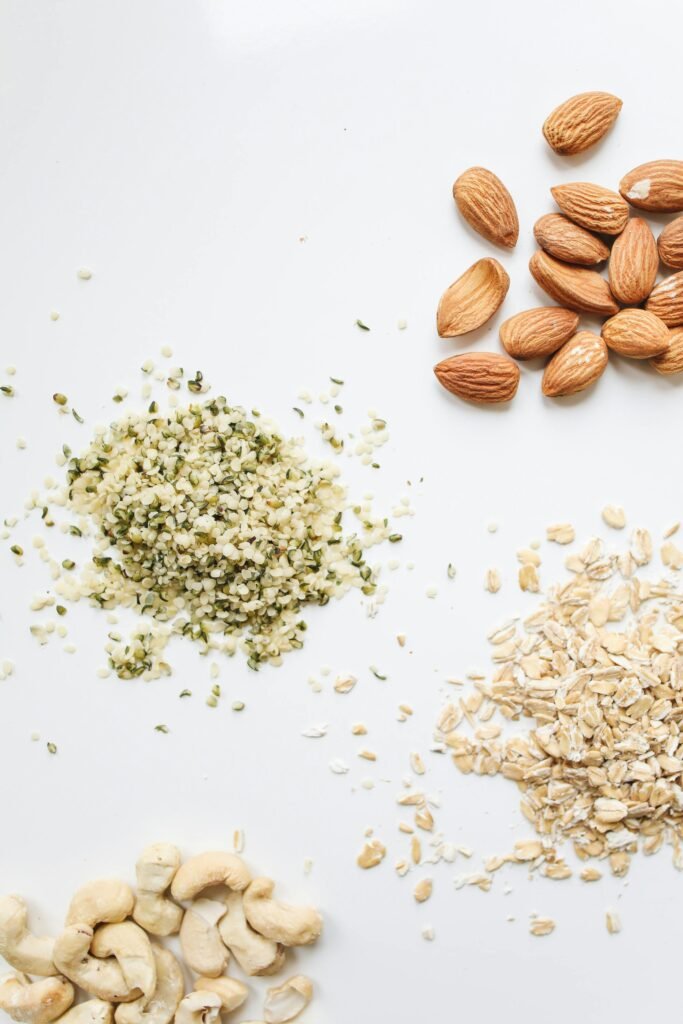
Walnuts, almonds, flax seeds, and whole grains like brown rice and oats deliver vitamin E, B vitamins, and fiber that reduce brain inflammation and support memory.
Taking Action Today
Prevention begins with small, sustainable changes to daily eating habits. Focus on increasing plant-based foods, incorporating fish twice weekly, and reducing processed foods. Remember, nutrition is just one piece of the puzzle—staying physically active, socially engaged, and mentally stimulated all contribute to brain health.
If you’re caring for someone showing signs of cognitive decline, seek early medical consultation. We have trained geriatricians and dementia specialists who can provide diagnosis and treatment plans that may slow disease progression. Connect with us – sharing experiences with others that have faced similar challenges provides invaluable emotional support and practical coping strategies.
Your family’s journey with dementia doesn’t have to be faced alone, and the dietary choices you make today can make a meaningful difference in protecting the cognitive health of those you love.